 AK 044
 1462
1462Comprehensive technical verification and technology validation for high-safety pressure equipment — hard brazing and welding operational procedures.
As part of our offer we provide conformity assessment for brazing and welding processes in accordance with PED 2014/68/EU (Annex I, section 3.1.2). The COCH Inspection Body, under procedure PJI-07, assesses operational procedures of permanent joints, taking into account the specifics of production and technologies used by enterprises.
COCH holds PCA accreditation AK 044 (ISO/IEC 17020) and acts as European Notified Body No. 1462 listed in the NANDO database — ensuring independence, impartiality and competence for PED-related inspection.
Approval of permanent joining procedures is a key step ensuring pressure equipment conformity with European safety rules. Manufacturers gain documented evidence that joining processes meet quality standards and technical regulations, supporting CE marking and reducing the risk of failures or production downtime.
Operational procedure approval is mandatory for category II, III and IV pressure equipment under PED 2014/68/EU. Without approval, CE marking cannot be affixed.
The assessment confirms that the selected brazing or welding technology yields joints with adequate mechanical strength and leak-tightness under operating pressure.
Impartial evaluation by COCH experts documents high technological standards and compliance of manufacturing processes with harmonised technical standards.
Nine main hard brazing processes used in refrigeration, pressure equipment manufacturing and process pipelines — assessed under PJI-07.
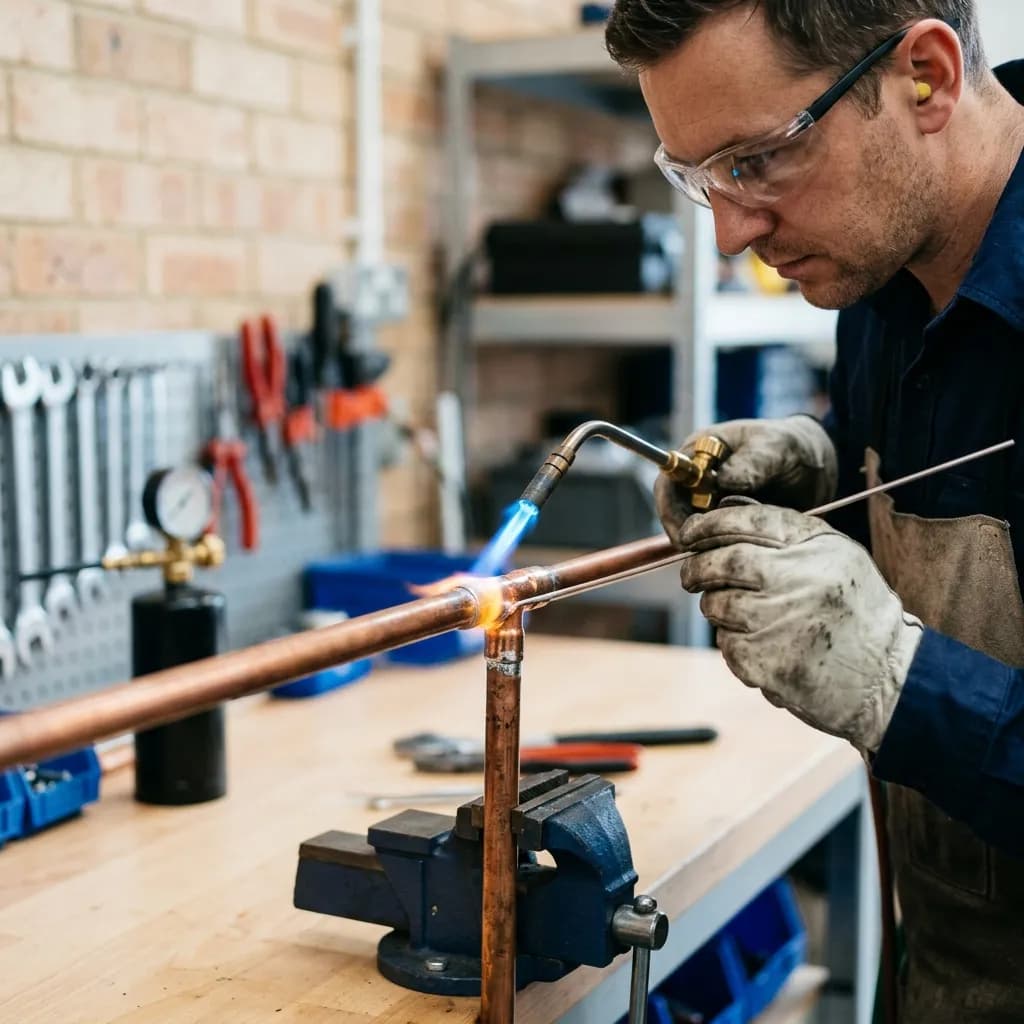
Flame heating controlled manually by the operator — used for smaller parts and complex assemblies requiring precise joining.
Automated burner motion with preset feed rates — suited to series production needing high repeatability.
High-frequency electric current heating with localised induction coils — fast heating and precise temperature control.
Heat generated by electrical resistance at the joint interface under mechanical force — typical for compact electrical components.
Industrial batch or continuous furnace with controlled protective gas shielding against oxidation.
High-precision brazing under defined vacuum levels, avoiding oxide formation and contamination.
Furnace heating under standard air atmosphere, requiring active fluxes — used in less demanding applications.
Joint immersion in molten salt flux which cleans and heats simultaneously — effective for mass production.
Heating via concentrated infrared radiation lamps or focused reflector systems — contactless, precise surface heating.
Personnel designated for conformity assessment are selected by the Director of COCH or the Head of the relevant department based on the personnel list (KZJ_ZAŁ-13). Each person involved must hold appropriate qualifications and meet the requirements of PED 2014/68/EU.
From application and contract through technical assessment, decision, document issuance and supervision.
Overview of the main stages — hover or tap a step for details.
1Application submission
The client submits a formal application for conformity assessment of the permanent joining operational procedure (PJI-07).
Essential variables under PN-EN 13134:2004 (EN 13134:2000) for hard brazing procedure approval.
Each brazing process has its own set of essential variables subject to verification. Summaries for processes A–I are listed below; the full applicability matrix follows EN 13134.
Fuel gas type, flame configuration, filler metal format, flux selection, direction of feed.
Burner dimensions, travel speed, automation controls, preheat cycle, alloy positioning.
Generator output, operating frequency, induction coil design, heating cycle duration, shielding.
Power supply parameters, electrode material, mechanical clamping force, current profile, joint geometry.
Gas composition, dew point control, temperature distribution profile, conveyor speed / cycle time.
Ultimate vacuum level, heating rates, partial pressure gas injection, cooling speed profile.
Furnace ambient temperature, furnace chamber size, heating time, flux classification.
Salt bath temperature, immersion duration, chemical composition of flux salts, preheat setup.
Emitter lamp type, source-to-workpiece distance, focused power distribution, exposure time.
| Brazing process variable | A | B | C | D | E | F | G | H | I |
|---|---|---|---|---|---|---|---|---|---|
| Base materials (grade and thickness) | |||||||||
| Brazing filler metal: Type | |||||||||
| Brazing filler metal: Form | |||||||||
| Brazing filler metal: Feed method | |||||||||
| Brazing filler metal: Feed location | |||||||||
| Flux: Type | - | ||||||||
| Flux: Form | - | ||||||||
| Flux: Flux dispensing method | - | ||||||||
| Flux: Feed location | - | ||||||||
| Stop-off agent (chemical substance used to restrict flow) | - | - | |||||||
| Joint design and clearance (including room temp fit and brazing temp clearance) | |||||||||
| Fixturing and jigging devices | |||||||||
| Pre-braze cleaning method | |||||||||
| Post-braze cleaning method | - | ||||||||
| Post-braze heat treatment (temp-time cycle) | |||||||||
| Time-temperature cycle | - | - | |||||||
| Temperature measurement (control and sensor positioning) | - | - | |||||||
| Heating gases (type and pressure) | - | - | - | - | - | - | - | ||
| Nozzle/burner size and number | - | - | - | - | - | - | - | ||
| Power source (type, frequency and setting) | - | - | - | - | - | - | - | - | |
| Induction coil design and location (relative to joint) | - | - | - | - | - | - | - | - | |
| Electrode design and material | - | - | - | - | - | - | - | - | |
| Machine settings (electrode force, current, time) | - | - | - | - | - | - | - | - | |
| Furnace type | - | - | - | - | - | - | |||
| Atmosphere (type, purity and flow rate) | - | - | - | - | - | - | |||
| Internal purge | - | - | - | - | - | - | - | ||
| Vacuum level | - | - | - | - | - | ||||
| Backfill gas (type and pressure) | - | - | - | - | - | - | - | ||
| Bath composition | - | - | - | - | - | - | - | - | |
| Pre-heating before brazing | - | - | - | - | - | - | - | - |
Note: For infrared brazing (and other special methods), contracting parties should agree additional essential variables beyond those listed above.
Download application forms, procedures and technical information, or submit the application online (PJI-07). Completed documents should be sent to inspekcja@coch.pl.
Send completed documents to inspekcja@coch.pl
Information on fees for permanent joining procedure approval can be obtained individually. Please send your inquiry to: inspekcja@coch.pl
Information on the Inspection Body complaints and appeals procedure is available here: Complaints and appeals
Contact the Inspection Body to coordinate test joints and discuss essential variable qualification scopes.
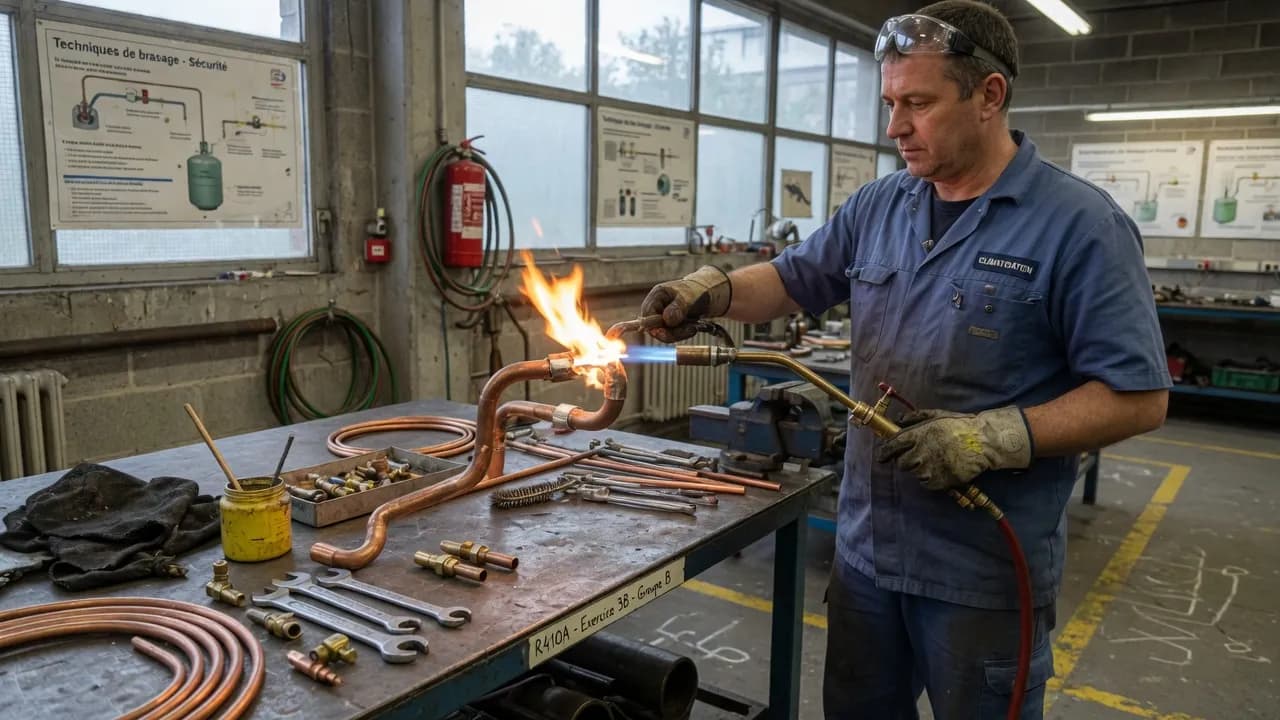
Accredited qualification of braziers and operators under PN-EN ISO 13585 — PCA AC 056 and NB 1462.
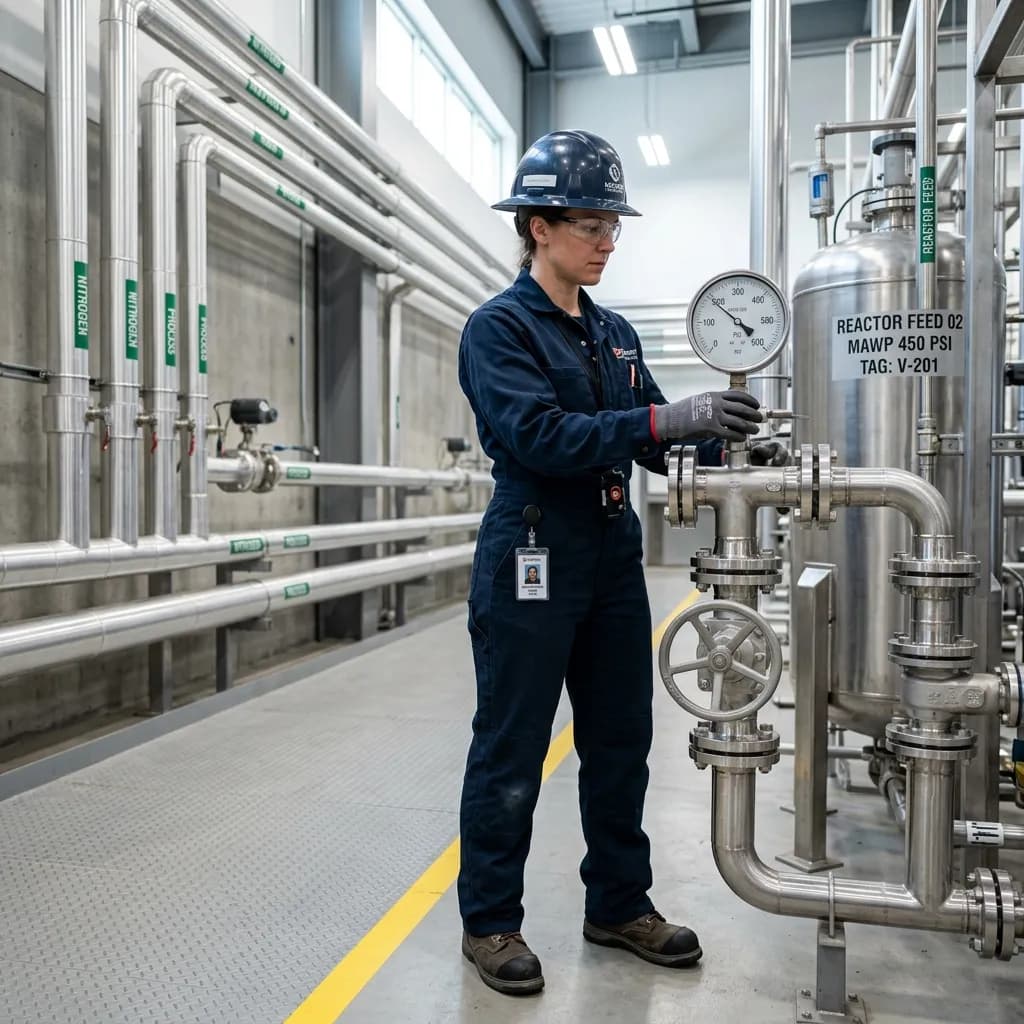
Internal production control plus supervised checks of pressure equipment under Directive 2014/68/EU.
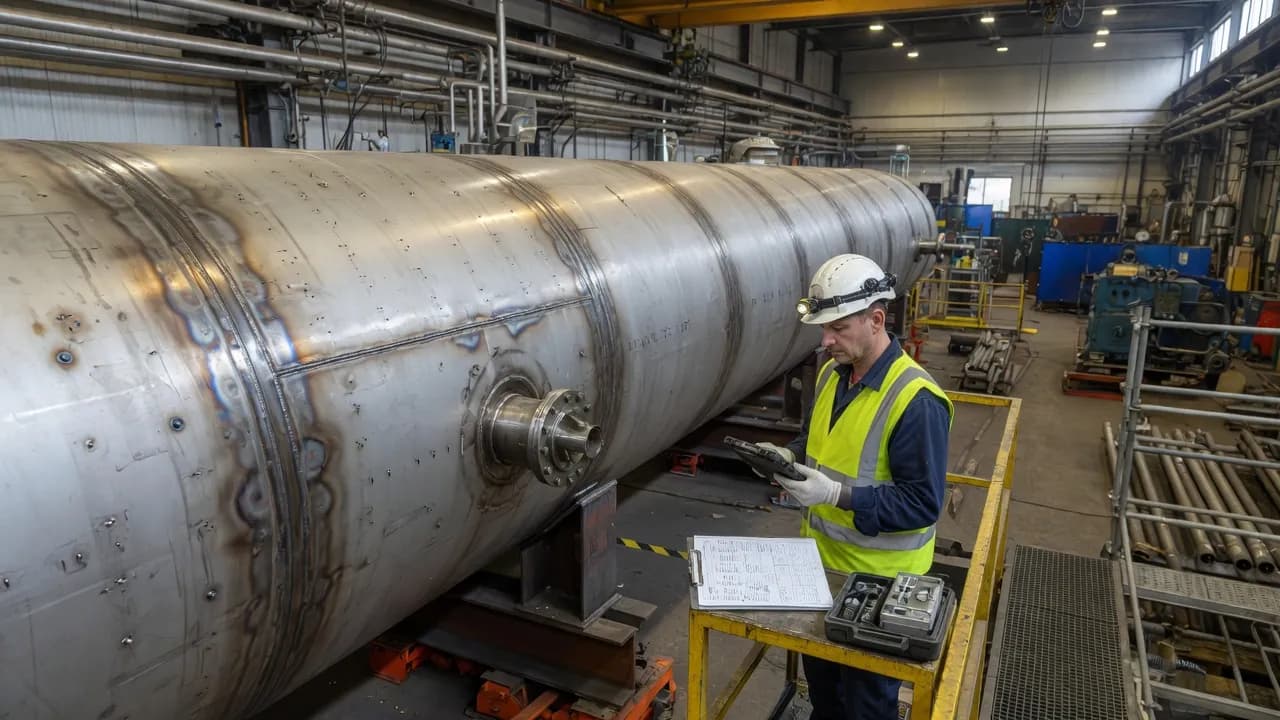
Notified Body 1462 support for placing pressure and related equipment on the EU market.
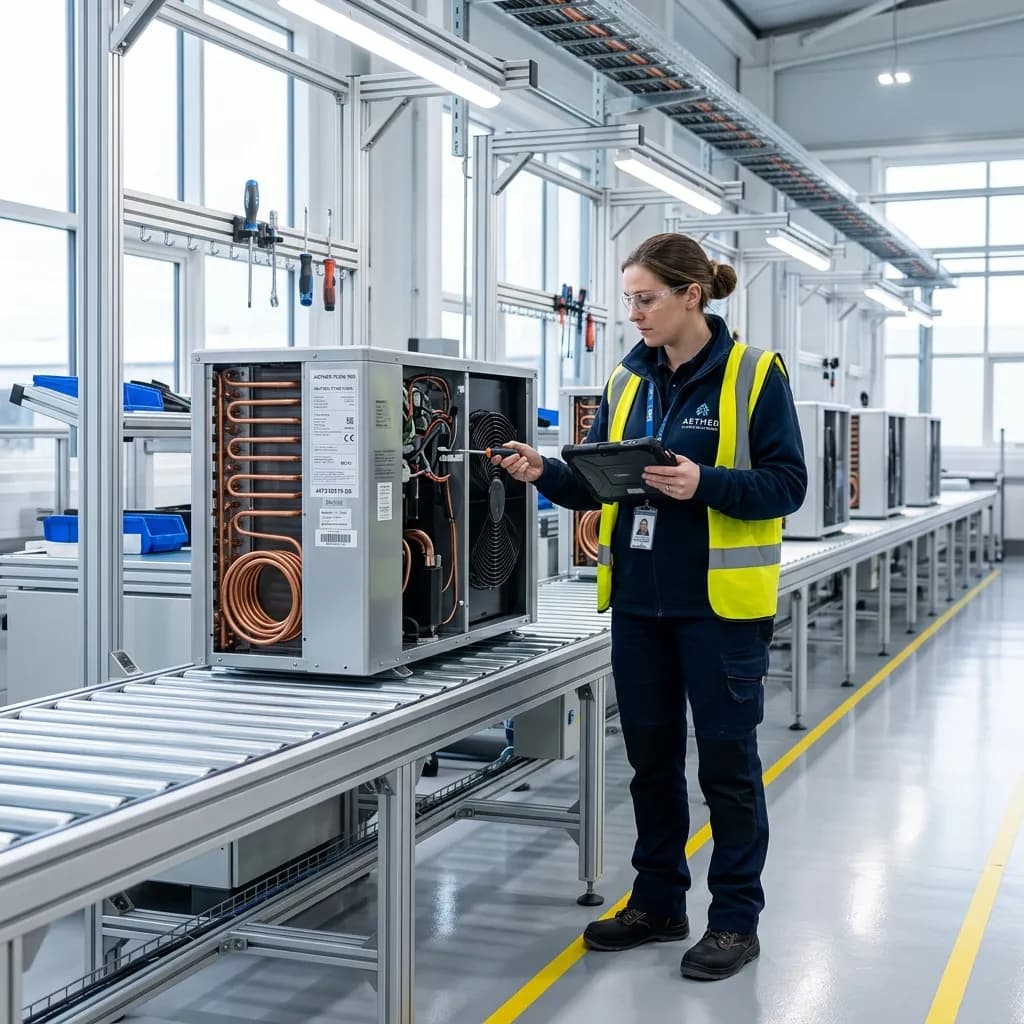
Conformity assessment of plants manufacturing refrigeration equipment and heat pumps.
PED Annex I 3.1.2, covered processes, documents, EN 13134 and how to appeal.
The COCH Inspection Body holds AK 044 accreditation confirming conformity to ISO/IEC 17020. Technology approvals are recognised through international agreements.
1462PCA · IAF MLA · NOTIFIED BODY 1462
As Inspection Body AK 044 and Notified Body No. 1462 we provide professional conformity assessment for joining technologies. Accreditation guarantees technical competence, independence and adherence to European safety standards.
Direct technical support for permanent joining technology approval.
mgr Miłosz Gratkowski
Head of Inspection Body
How to find us
Centralny Ośrodek Chłodnictwa „COCH”
ul. Juliusza Lea 116, 30-133 Kraków
Monday – Friday, 7:30 – 15:30
Entrance from Juliusza Lea Street. Parking available on site for clients.
Write to the Inspection Body or call — we will advise on scope, documents and next steps under PED Annex I 3.1.2.
